Baobab: Africa's Original Superfood
Baobab is one of the most nutrient-dense fruits on earth. Here is what it is, why it has become a global superfood, and how to use and buy it.
6 min read
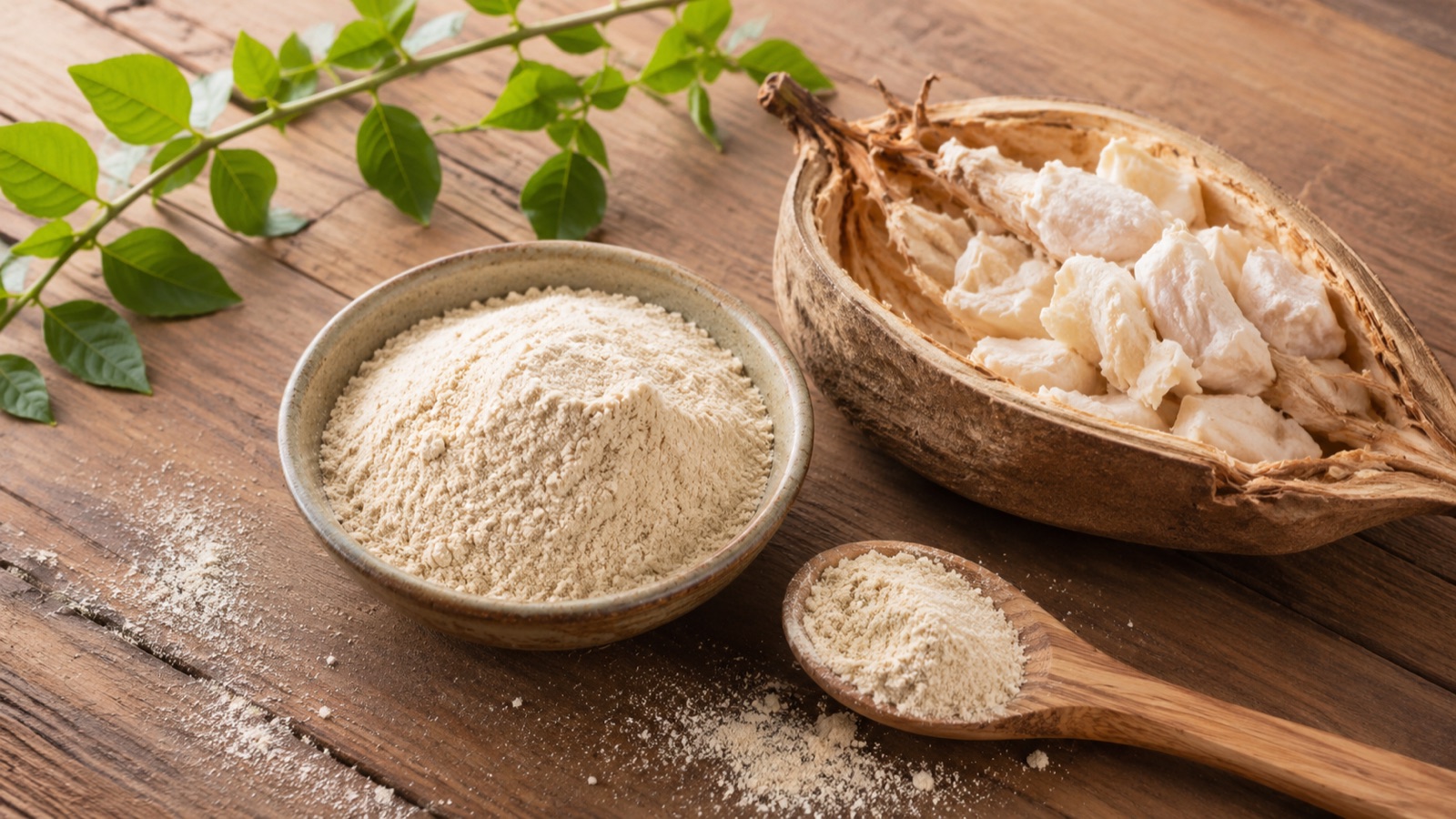
Baobab is one of the most nutrient-dense fruits in the world — and one of the few superfoods that needs almost no processing to reach your kitchen. It grows on Africa's iconic “tree of life”, dries naturally on the branch, and arrives as a tangy, cream-coloured powder packed with vitamin C, fibre and antioxidants. In this guide we cover what baobab is, its health benefits, how to use it, and how to buy quality baobab sourced directly from Africa.
What is baobab?
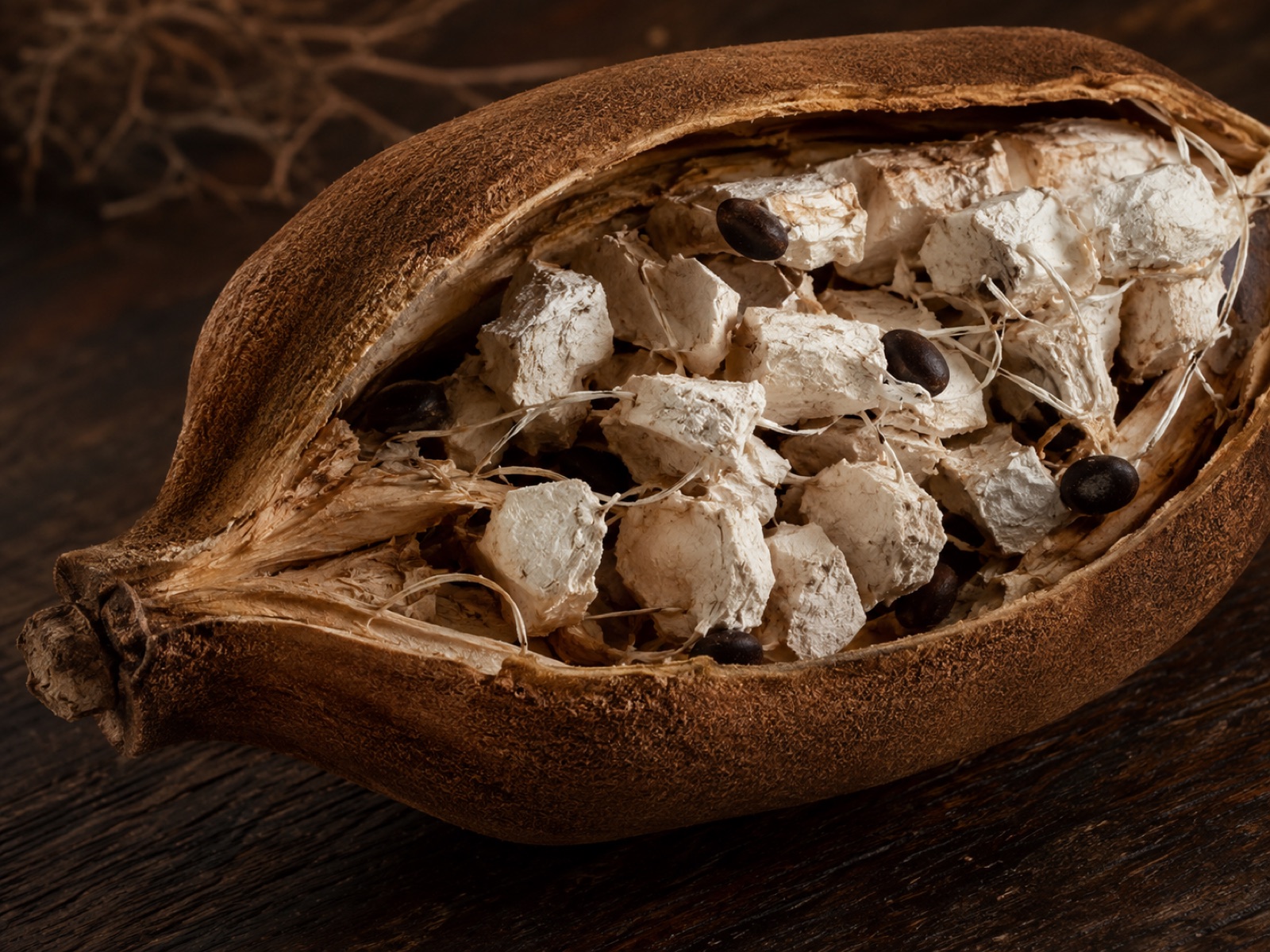
Baobab (Adansonia digitata) is the fruit of the African baobab tree, a giant that can live for over a thousand years and is known across the continent as the “tree of life”. The tree produces large, velvety pods filled with a chalky white pulp and seeds.
What makes baobab unusual is how it is harvested. The fruit dries out naturally on the tree — there is no cooking, freezing or chemical processing. Once the pods are opened, the pulp is simply separated from the seeds and milled into a fine powder, keeping its nutrients fully intact.

Baobab nutrition: why it's a superfood
Baobab earns the “superfood” label because of how much nutrition it carries per gram. The dried fruit pulp is naturally rich in:
- Vitamin C — supporting immunity, skin and iron absorption
- Dietary fibre — roughly half the powder is fibre, much of it prebiotic
- Prebiotics — feeding the good bacteria in your gut
- Potassium, calcium and magnesium
- Antioxidants — among the highest of any fruit
Because it is a dry powder, baobab is also shelf-stable and easy to add to everyday food without changing how you cook.
What does baobab taste like?
Baobab has a pleasant, citrus-tart flavour — think sherbet or tangy yoghurt, with subtle notes of pear and caramel. It is naturally sweet-sour rather than bitter, which is why it blends so easily into drinks and desserts.
How to use baobab powder
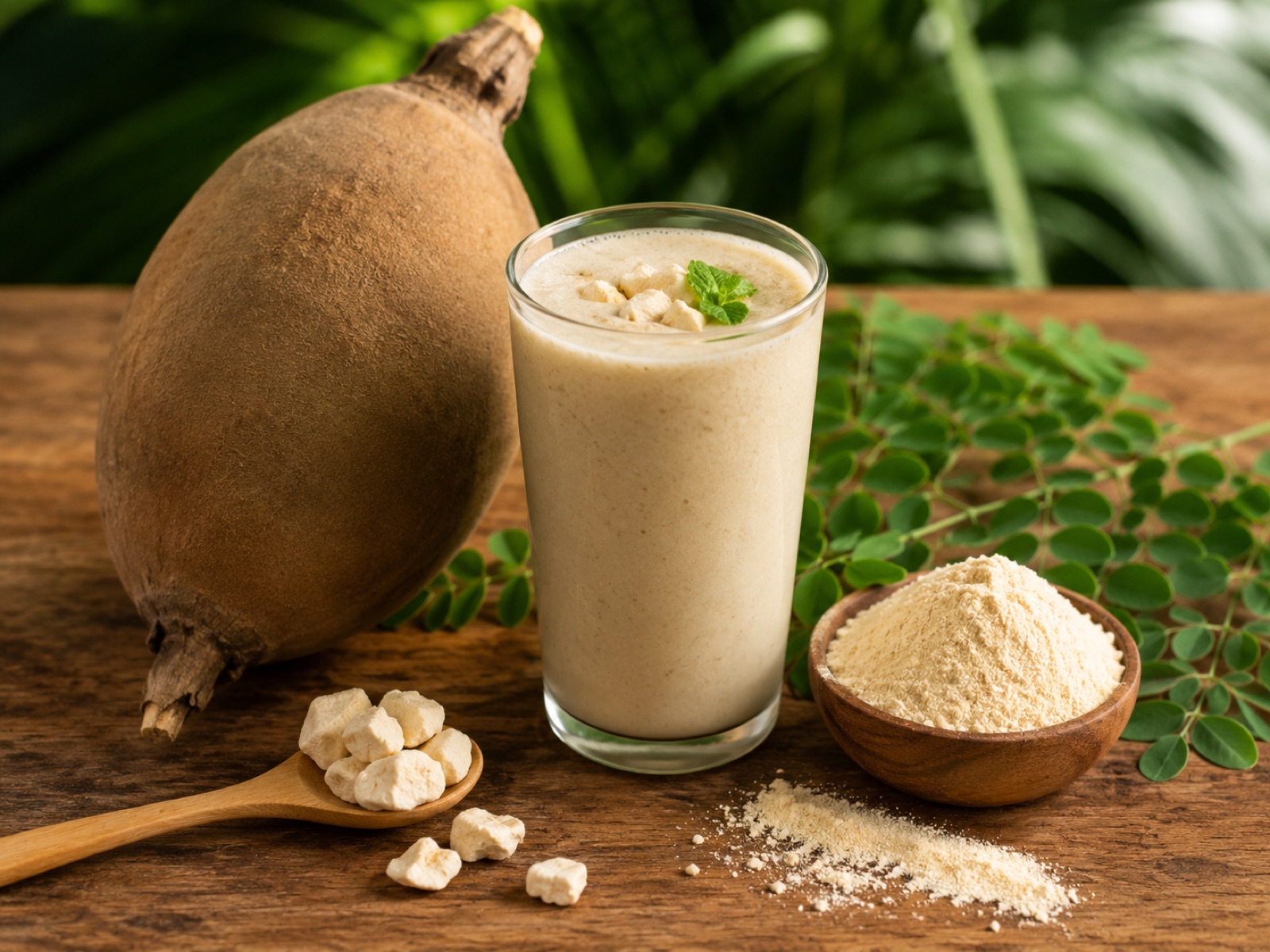
Baobab powder is one of the easiest superfoods to use. A teaspoon or two a day is plenty. Try it in:
- Smoothies, juices and water for a citrus lift
- Yoghurt, porridge and cereal
- Baking — cakes, energy balls and breads
- Wellness blends, lattes and shots
Why where you buy baobab matters
Not all baobab is equal. Quality depends on the fruit being harvested ripe, dried cleanly and milled fresh — and on a short, transparent supply chain. At Africa Produce we work directly with our source in Africa, with no middlemen in between, so the powder reaches you fresh, traceable and fairly priced.
We supply baobab as both fine fruit powder and whole dried fruit, wholesale and shipped worldwide. You can see specifications and request a quote on our baobab product page.
Buy baobab, sourced directly in Africa
Fruit powder and whole dried fruit — wholesale, shipped worldwide. Request availability and pricing.
View baobabBaobab FAQ
Is baobab good for you every day?
Yes — a teaspoon or two daily is a common amount. As with any fibre-rich food, start small and drink enough water.
Does baobab powder expire?
Baobab is a dry, shelf-stable powder with a long shelf life when kept sealed, cool and dry. Its natural acidity helps it keep well.
Where does the best baobab come from?
Baobab grows across sub-Saharan Africa. We source ours directly in Africa to keep quality high and the supply chain short.